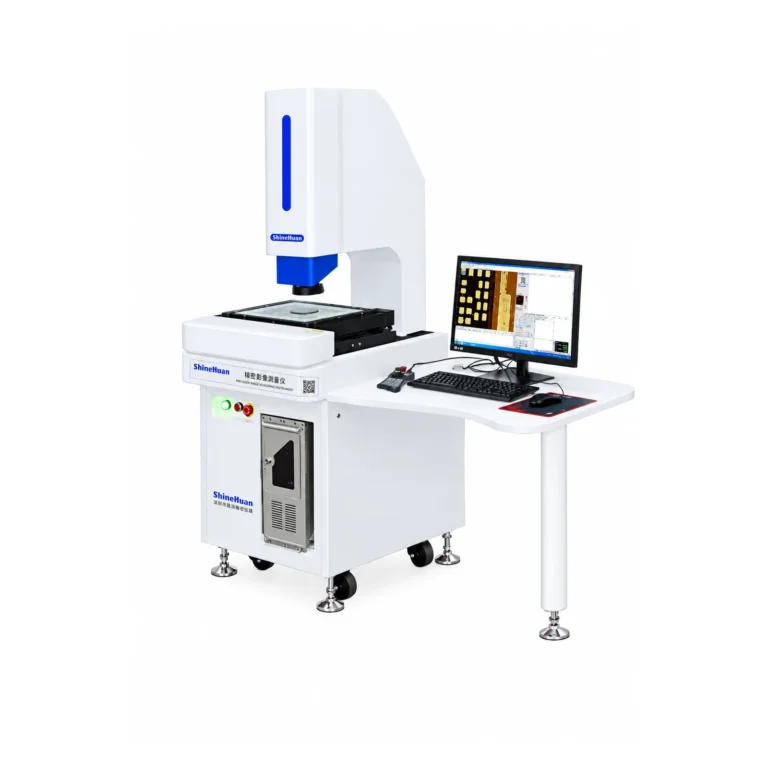
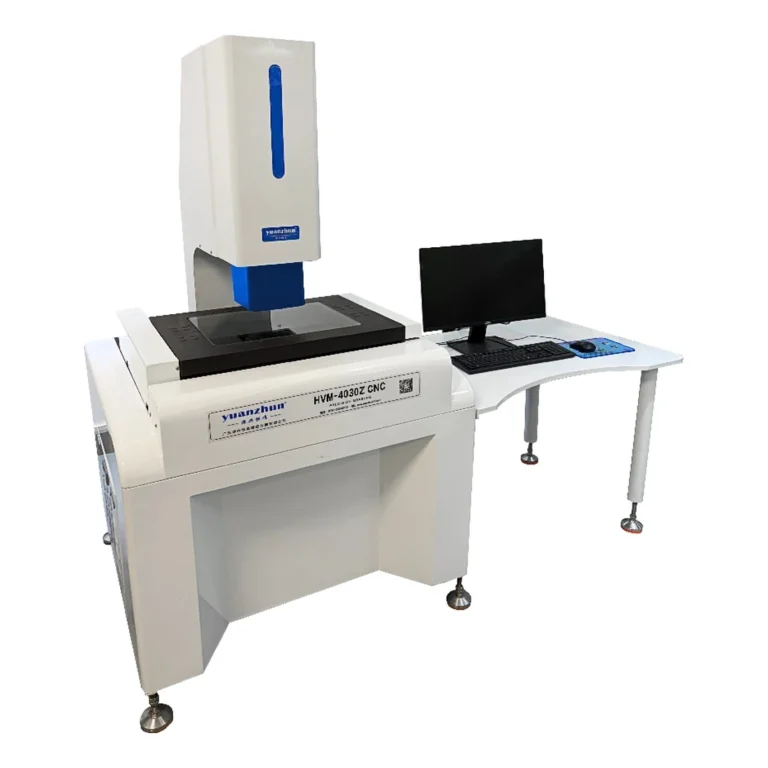
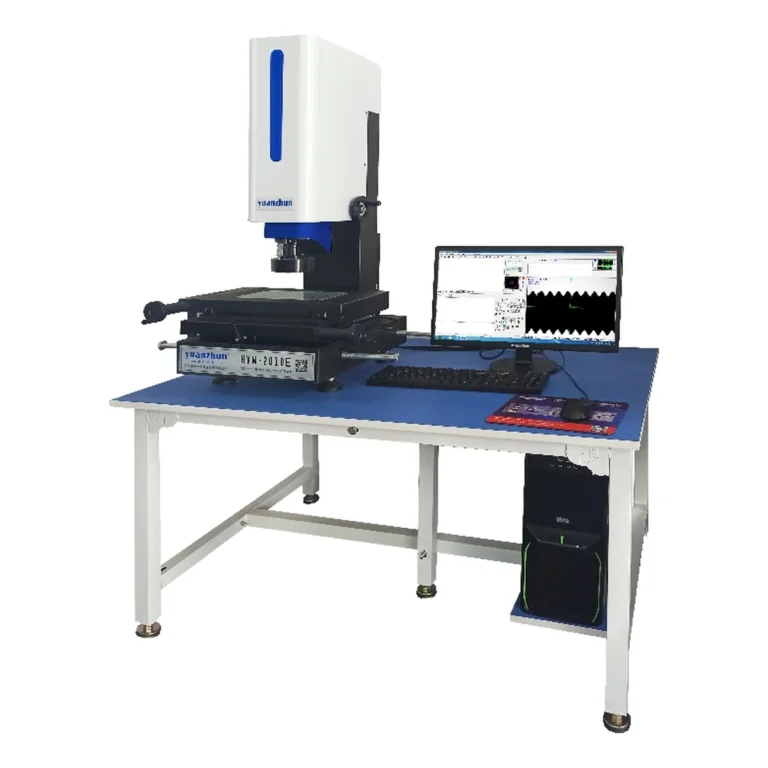
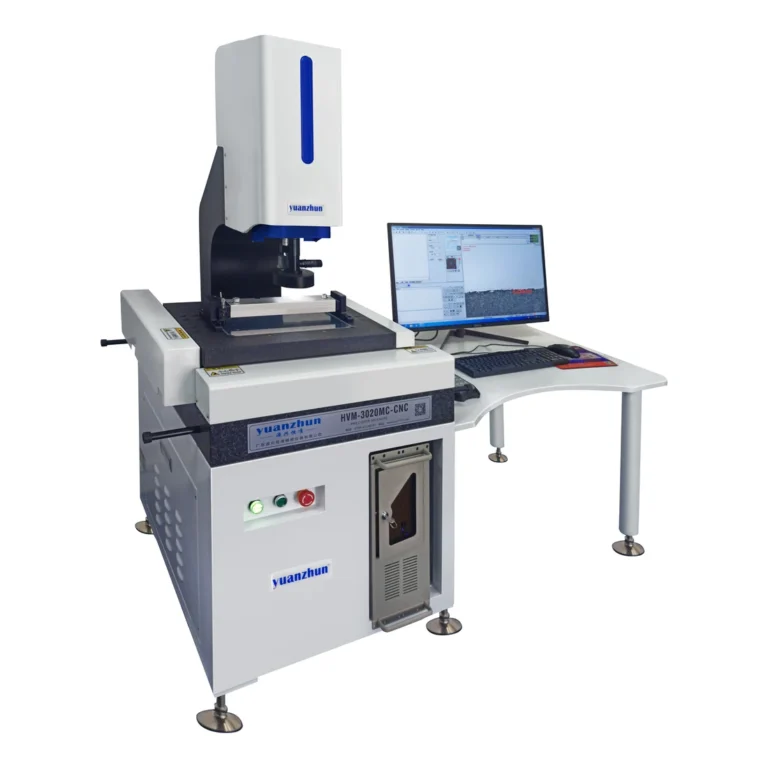
A large measuring travel is only one requirement when evaluating a gantry vision measuring machine. The workpiece, fixture, loading access and required features must fit the usable measurement arrangement. Start with the complete inspection task before selecting a nominal model size.
Define the working envelope
Record the maximum part dimensions and the fixture envelope, including locating elements and any loading clearance. Identify the positions of the features that must be measured. Do not assume that the outside dimensions alone describe the required travel.
Provide a drawing or layout showing where the part sits and how it is loaded. Review clearance throughout the proposed routine, including different orientations or product variants that will use the same equipment.
Specify support and alignment
Large boards or panels may require a defined support condition. Agree the fixture contacts and how the part is aligned to the drawing datums. Avoid changing the support between trials without documenting the change.
Include practical loading questions: how the operator reaches the fixture, how the sample is handled and how its position is confirmed. These steps affect the complete inspection workflow even when the measuring motion is automatic.
Review the optical task across the part
List the visible profiles, hole patterns or other characteristics required by the drawing. Include realistic differences in finish, reflection and feature height. The trial should check whether suitable image conditions and feature definitions can be maintained across the routine.
If a feature is hidden or requires a different access method, identify that early. More travel does not change the fundamental visibility requirement of optical measurement. Where appropriate, compare another method for the inaccessible characteristic.
Compare complete-cycle results
Measure loading, alignment, programmed inspection, review and reporting together. If different fixtures or product variants are involved, include the changeover process. A machine movement demonstration is not a complete throughput evaluation.
After an initial run, remove and reload the part and repeat the measurement. Agree the required records, report fields and treatment of unclear features. Use the selected model specification and the agreed conditions when defining acceptance criteria.
What to send for a gantry application review
- Maximum workpiece and fixture dimensions.
- Drawing, datums, feature locations and tolerances.
- Material, finish and representative sample images.
- Loading method, part mix and expected inspection volume.
- Space, environmental and reporting requirements.
Review the published HVM Gantry configurations, then use PCB applications or automotive part applications for the relevant workpiece discussion. For special handling or interfaces, include the requirements in a custom automation review.